This Post Will Discuss The Refractive Lens Exchange


Content author-Barbour Stiles
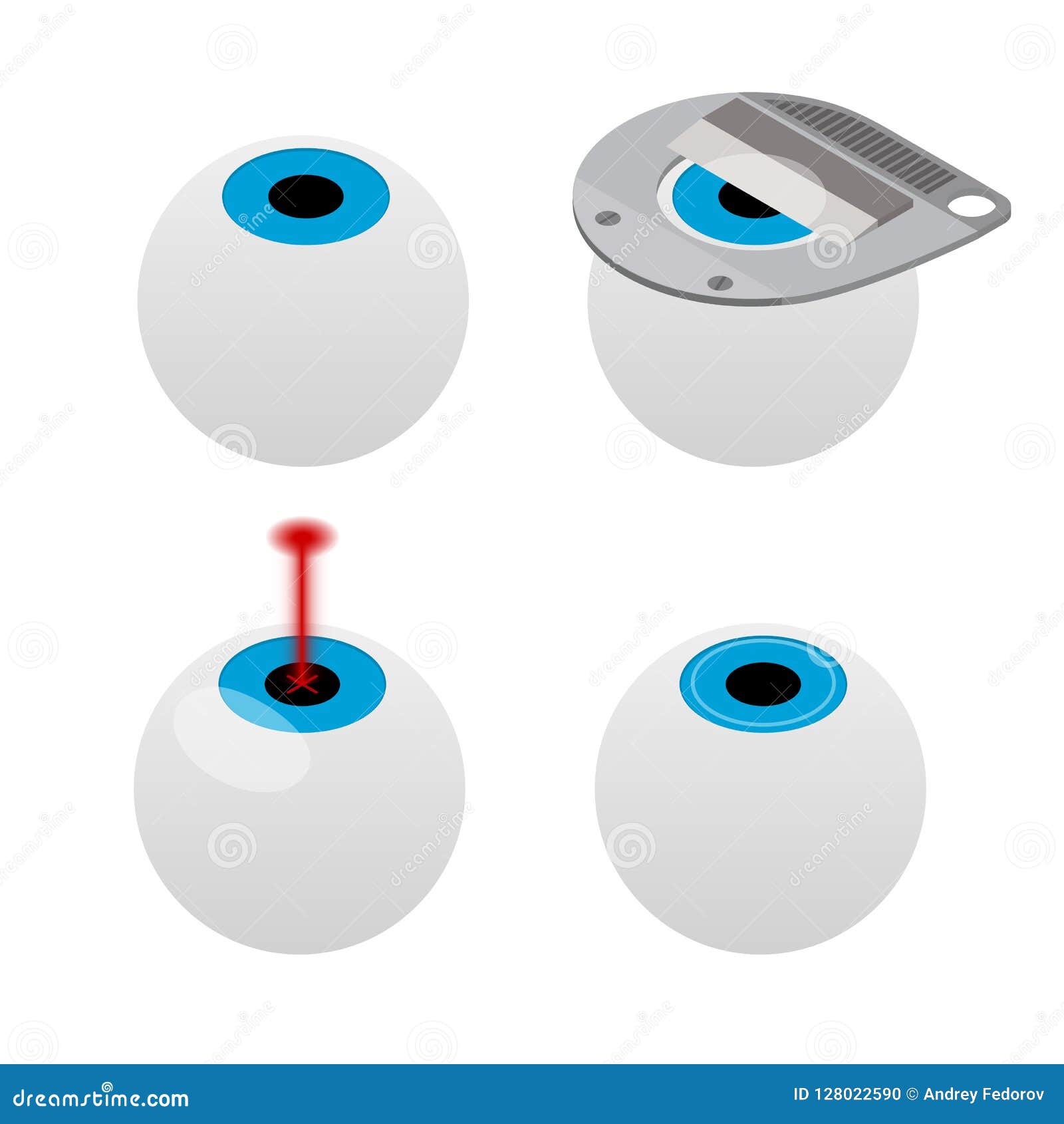
Refractive Lens Exchange (RLE) is a surgery to eliminate the natural lens of the eye and change it with a synthetic dental implant. It provides clear vision for clients with refractive mistakes like nearsightedness and farsightedness, presbyopia, and cataracts.
It can help reduce or eliminate your requirement for glasses as well as contacts. It may also minimize your risk of developing cataracts in the future because the artificial lens does not constantly age as well as transform like the natural lens.
1. Improved Vision
Refractive Lens Exchange is a prominent option to laser vision correction. It is particularly helpful for individuals that are also farsighted or too nearsighted to be a candidate for LASIK.
RLE likewise assists to remove the threat of cataracts later on in life. https://telegra.ph/Below-Are-Some-Risks-And-Issues-That-May-Happen-After-Cataract-Surgical-Procedure-04-25 is since the synthetic lenses implanted in refractive lens exchange do not age like a natural lens, so cataracts are less likely to create.
Refractive lens exchange can deal with a range of refractive mistakes, consisting of presbyopia, hyperopia as well as nearsightedness. https://squareblogs.net/catheryn5shariecarey24edwardo/here-are-some-threats-and-problems-that-might-occur-after-cataract-surgical is most practical for patients over the age of 40 who are looking for a method to lessen or totally remove their reliance on glasses and calls.
2. Less Reliance on Glasses
Many individuals have trouble concentrating up close without the help of glasses or get in touch with lenses. The bright side is that contemporary innovations have actually given us alternatives like Refractive Lens Exchange (RLE) to lower or even remove reliance on glasses.
RLE is a treatment that replaces your eye's natural lens with a man-made one, referred to as an intraocular lens or IOL. It can remedy a number of refractive errors, consisting of nearsightedness, farsightedness, astigmatism and presbyopia.
3. Much Less Danger of Cataracts
Refractive Lens Exchange (RLE) is a surgical procedure that includes the removal of your eye's natural lens as well as replacing it with a clear lens implant. This can improve vision in both close and also distant items, getting rid of the need for glasses or get in touch with lenses.
This surgery is normally advised for individuals with high levels of myopia, hyperopia and astigmatism who can not be remedied with laser vision correction procedures such as LASIK. It likewise is effective in treating presbyopia, age-related near vision loss.
RLE is a much more intrusive surgical procedure than LASIK and also PRK, however it is often the most effective option for clients that wish to be devoid of spectacles and call lenses. It is generally not covered by insurance, but you might have the ability to access an adaptable investing account or health and wellness interest-bearing account that can aid spend for your RLE.
4. Less Discomfort
Refractive Lens Exchange is a brief, outpatient procedure that takes less than 20 mins per eye. linked webpage are numbed with anesthetic decreases, and also a couple of small incisions are made in the cornea whereby tools are used to remove your all-natural crystalline lens.
The brand-new fabricated intraocular lens (IOL) is customized for you and also is dental implanted in your eye. It is an irreversible substitute for your natural crystalline lens, and it will not trigger the long-term aesthetic regression of contact lenses.
If you more than age 50 and also have considerable hyperopia or presbyopia, refractive lens exchange can be an effective treatment for your vision concerns. In addition, this procedure may stop cataracts from establishing as well as requiring cataract surgery in the future.
5. Less Healing Time
Refractive Lens Exchange (RLE) is a surgical procedure that removes your eye's natural lens and also changes it with a fabricated intraocular lens, or IOL. This is a preferred therapy for individuals that are not candidates for laser-based vision adjustment procedures such as LASIK or PRK, or those with presbyopia, an age-related problem that leads to the demand for checking out glasses.
The healing period after RLE is minimal, as well as many people can go back to typical activities within a week of surgery. However, it is very important to avoid swimming or high-impact sporting activities until your medical professional states it's risk-free.